Premium Sudoku Puzzle Design for Creators
Imagine handing someone a puzzle book that feels more like a curated design object than a disposable activity page—that's the transformative power of deliberate visual design.
The Sudoku Puzzles INTERIOR KDP exemplifies this principle, offering a template that prioritizes aesthetic clarity and user experience for creators publishing on platforms like Amazon KDP. It’s a toolkit for anyone aiming to elevate a simple puzzle book into a refined product that stands out visually and functionally.
The Role of Design in Puzzle Publications
In today's market, the visual presentation of digital and print products is inseparable from their perceived value. A hard-level Sudoku book isn't just about the challenge; it's about the entire experience of solving it. The layout, typography, and unique design choices communicate quality before the user even engages with the puzzle itself.
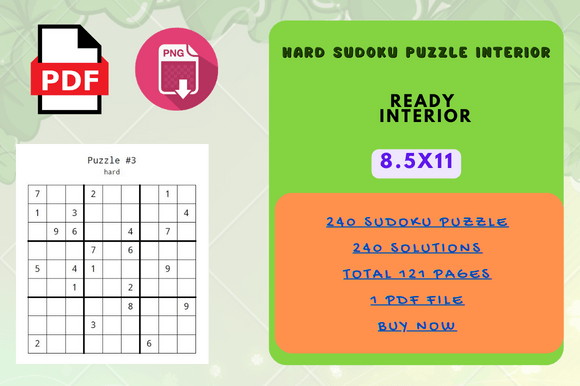
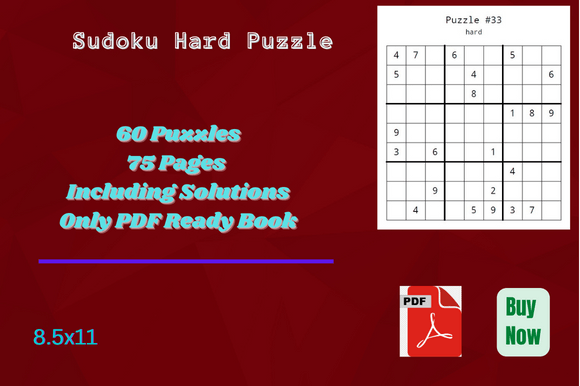
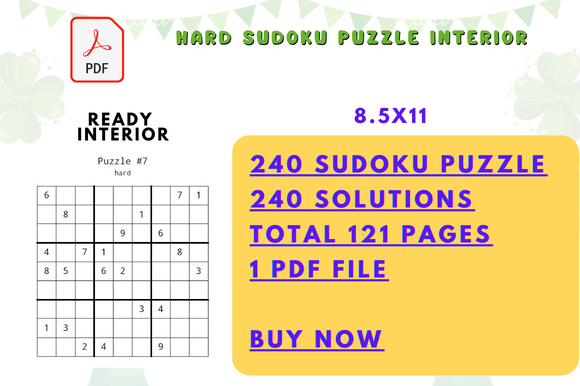
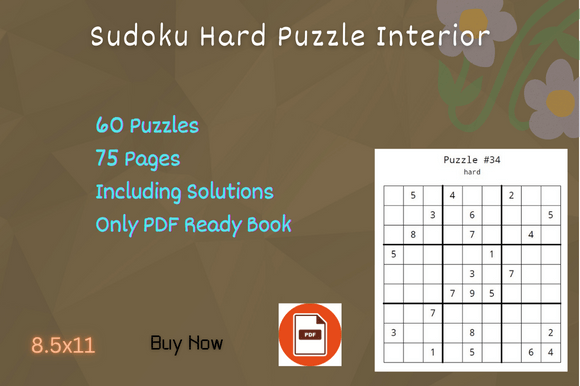
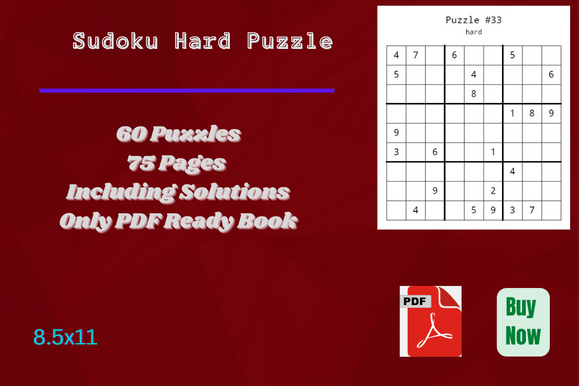
This interior template is built with 60 puzzles and solutions, each occupying a single page within a 75-page total. The generous 8.5 x 11-inch canvas and one puzzle per page format are deliberate design decisions. They provide negative space, reduce cognitive clutter, and create a clean visual hierarchy that guides the user's focus directly to the task. This approach is crucial for enhancing user experience and ensuring readability, especially for complex, hard-level logic puzzles.
Key Design Features and Their Impact
Let's break down the specific features and how they contribute to a professional presentation and improved usability:
- One Puzzle Per Page: This is a fundamental rule of good editorial design. It eliminates distraction, provides ample white space for notes or solving strategies, and creates a rhythm that feels premium and respectful of the solver's concentration.
- Hard-Level Difficulty: The audience for these puzzles expects a certain sophistication. The visual design must match that expectation—clean, serious, and uncluttered, avoiding playful or casual graphics that might undermine the perceived intellectual challenge.
- Unique Layout & Composition: A template's uniqueness isn't just about decoration; it’s about creating a memorable brand identity for your publication series. Consistent use of a specific grid style, font, and spacing across 75 pages builds recognition and trust.
Practical Applications Beyond the Book
While the core product is a puzzle interior, the underlying design principles are applicable across numerous creative projects. The discipline of creating a clear, focused layout for a single task per page translates directly to other areas of visual communication.
Consider marketing materials like high-end brochures or reports where one key idea is presented per spread. Or think about social media graphics and digital marketing assets, where isolating a single message against a clean background drastically improves engagement. The template’s structure teaches lessons about visual hierarchy and information isolation that are gold for UI design and web design.
Even in packaging design or presentations, the ethos of "one focus per view" enhances clarity and impact. Using such a refined template as a starting point can inform the design workflow for other branding assets, ensuring consistency in typography and color palette across touchpoints.
Selecting & Applying Design Elements Effectively
When evaluating or customizing a template like this, focus on factors that affect both aesthetics and function.
- Scalability: Ensure the typography and grid lines remain crisp and readable if the puzzle book format is adapted for different sizes or digital screens.
- Audience Expectations: Match the modern aesthetics of the design to the solver's profile. A hard puzzle book likely appeals to an audience appreciating minimalist, functional design.
- Compatibility: If this interior is part of a larger brand identity, its color palette and type choices should harmonize with your other creative assets, from your logo to your website.
Ultimately, the Sudoku Puzzles INTERIOR KDP is more than a set of pages; it's a case study in applied design thinking. It demonstrates how thoughtful choices in layout, spacing, and focus can transform a utilitarian product into an object of design inspiration. Whether you're a creator publishing on KDP, a designer crafting digital products, or a business owner looking to improve your professional presentation, the lesson is universal: investing in the quality and intentionality of your visual design is an investment in clearer communication, stronger user engagement, and a more memorable brand presence.