Quad Shaped Maze Puzzles: A Unique Tool for Creators
When you’re looking for engaging activity book content, the standard square or rectangular maze can feel a bit repetitive. The Quad Shaped Maze Puzzle offers a distinct alternative. Characterized by its four distinct, often interlocking, sections or paths within a single puzzle frame, this design creates a more complex and visually interesting challenge. It’s not just one path from start to finish; it frequently involves navigating through multiple quadrants, making it a perfect fit for audiences seeking a puzzle that requires a bit more strategic thinking.
The Anatomy of a Quad Maze
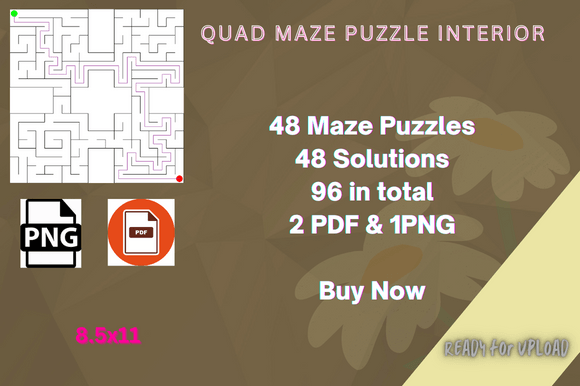
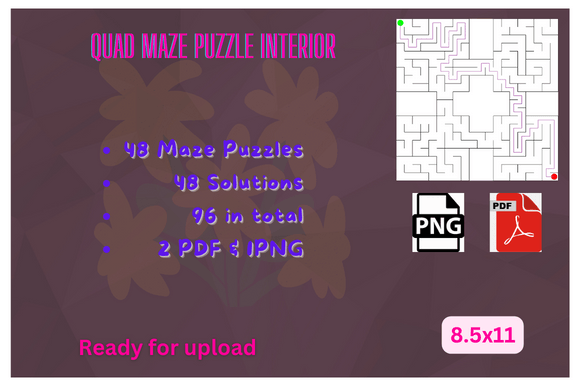
What exactly sets a Quad Shaped Maze Puzzle apart? The core idea is division and connection. The puzzle area is typically segmented into four primary zones. These zones might be separated by walls or implied boundaries, but pathways cleverly link them. This structure introduces layers of decision-making. A solver must often choose which quadrant to traverse first or determine how to move from one section to the next to ultimately reach the goal. This multi-stage navigation is its key strength, providing a satisfying sense of progression as each quadrant is solved.
From a design perspective, these mazes have a notable visual appeal. The quad shape naturally organizes the space, creating a balanced and structured look that is both neat and intriguing. This makes them exceptionally suitable for printed activity books where page layout and visual clarity are important. For the KDP creator, this means interior pages that look professional and engaging without requiring complex artistic skills to implement.
Practical Applications Beyond the Puzzle Book
The immediate use is, of course, within activity books. A collection of 48 Quad Shaped Mazes provides substantial, ready-to-use content. But the utility extends far beyond simply printing a book of puzzles. Because each maze is provided as an individual page in a clean PDF format—with a dedicated solutions page—they become modular components. This flexibility is a significant asset for creators, educators, and marketers.
Consider an educator designing a custom worksheet for a lesson on problem-solving or logic. They can extract a single Quad Shaped Maze Puzzle from the PDF and integrate it alongside other material. A blogger focusing on brain teasers could use one maze as a featured visual in a post. For the entrepreneur running a community event or a corporate trainer developing team-building exercises, these mazes can serve as a quick, engaging icebreaker activity when printed individually.
Building Your Own Unique Activity Books
The included PDF file is designed with practicality in mind. The 8.5×11 inch, no-bleed format is the standard for many KDP activity books, ensuring compatibility. Having 48 distinct puzzles means you have a deep reservoir of content. The true creative power, however, lies in the "mix and match" potential. You are not confined to publishing a book solely of quad mazes.
You can use online PDF converters or editing tools to separate the pages and combine these Quad Shaped Maze Puzzles with other puzzle types—number searches, word ladders, or classic labyrinths—to create a hybrid activity book. This approach allows you to target specific niches. For instance, a book for adults might blend quad mazes with sudoku, while a children’s book could mix them with simpler dot-to-dots. This modularity saves enormous time compared to designing every puzzle from scratch.
A key recommendation before starting any project is to duplicate the original PDF file. Work from the copy, keeping the master file intact. This simple habit preserves your source material for future projects and prevents accidental loss or alteration of your digital asset.
Professional and Commercial Considerations
For the professional creator or small business owner, efficiency and quality are paramount. This collection addresses both. The puzzles are complete; no need to draw paths or verify solutions. This reliability translates into a trustworthy product for your customers. Furthermore, the structured, clean appearance of a Quad Shaped Maze Puzzle conveys a sense of quality. In a competitive marketplace like KDP, the interior design of your book contributes directly to customer perception and reviews.
From a branding perspective, these mazes can be more than just filler content. Their distinctive shape can become a recognizable element if you produce a series of books. Consistency in puzzle style helps build a cohesive brand for your activity book line. Also, because the puzzles are inherently more challenging than single-path mazes, they cater to an audience that might be looking for something beyond beginner-level activities, allowing you to segment your market offerings.
Evaluating and Implementing the Resource
When selecting pre-made content for your projects, consider both format and adaptability. The no-bleed specification here is crucial. It means all critical content is safely within the printable area, eliminating a common technical hurdle for new publishers. The separate solutions pages are another practical feature, offering you the option to include answers or omit them based on your book’s design.
Implementation is straightforward. You can use the booklet as-is for a dedicated quad maze activity book. Alternatively, for a more customized creation, you'll likely employ a PDF editing tool or converter to extract pages. While some online converters are free and easy to use, it’s wise to test a few pages first to ensure the output quality meets your standards—checking that line clarity and text remain sharp after any conversion process.
Ultimately, a resource like this 48-page set of Quad Shaped Maze Puzzles is about empowering your creativity. It provides the raw materials—professional, tested, and versatile puzzles—while leaving you full control over the final product. Whether you’re an educator assembling a one-off workshop sheet, a hobbyist crafting a gift, or a serious publisher building a catalog, this focused tool helps you produce engaging content without starting from a blank page.