Mastering Your KDP Sudoku Puzzle Book: A Guide to Quality and Audience Appeal
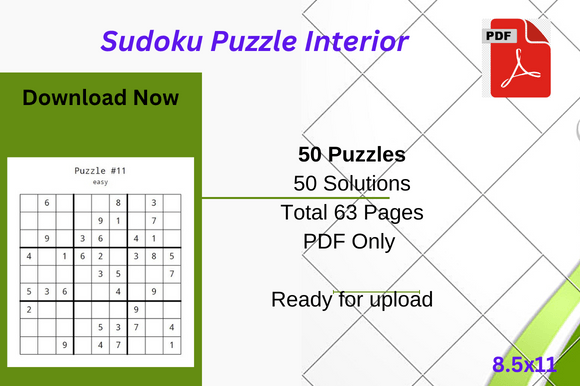
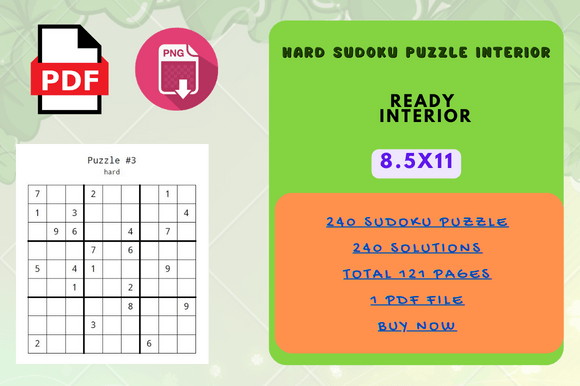
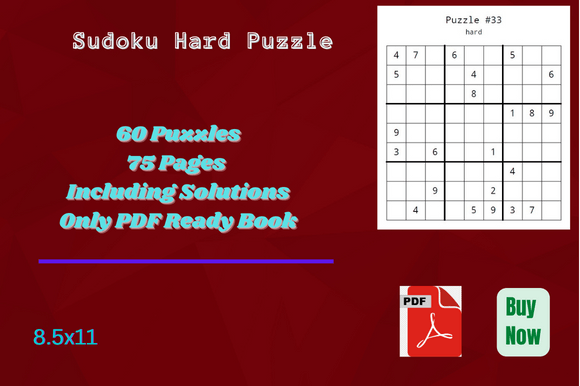
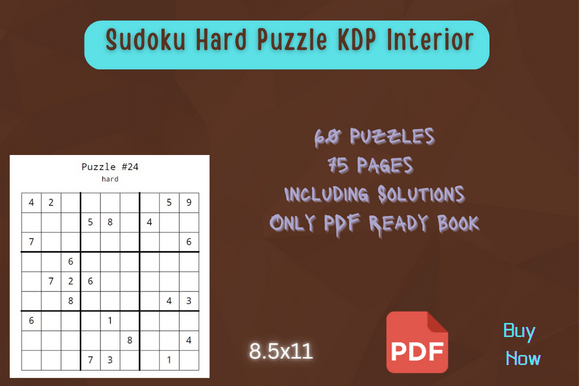
Entering the world of Kindle Direct Publishing (KDP) with a puzzle book like Sudoku Puzzles for Boys KDP Interior represents an exciting opportunity. It's a ready-to-use digital product containing 60 brand-new, hard-level Sudoku puzzles with their solutions neatly formatted in a single PDF. For creators, this isn't just a book; it's a potential stream of passive income and a way to share a beloved logic game. For consumers, it's a promise of high-quality, challenging content designed for seamless printing or digital use. Yet, the journey from purchasing or using this interior to achieving satisfaction—whether as a publisher or a puzzle enthusiast—is often derailed by simple, overlooked details. Let's explore the common pitfalls and how to navigate them successfully.
Understanding What You're Actually Getting
A major initial misunderstanding revolves around the product's name. Sudoku Puzzles for Boys KDP Interior might imply a very narrow audience focus. In reality, the "for Boys" element is often a marketing angle or a thematic design choice within the interior itself, such as using certain colors or graphics. The puzzles themselves are universal. A common mistake is for a publisher to assume this interior only appeals to a male child audience, thereby limiting their marketing and book description. Conversely, a buyer might overlook it assuming it's not suitable for girls or adults. The hard-level puzzles are, in fact, challenging and appropriate for teens and adults of any gender who enjoy rigorous logic games. The key is to look beyond the title and evaluate the actual content: 60 new hard puzzles, one per page, with included solutions.
The Critical Oversight: Print and Digital Formatting
The specification "8.5″x11″ – One Puzzle per page – Solutions included" seems straightforward. However, this is where usability can fall apart. Many users, especially new KDP publishers, download the PDF and immediately upload it to KDP without checking the interior file thoroughly. They might not verify print margins, bleed settings, or the clarity of the solution pages. A poor-quality scan or a PDF with cramped margins can result in a published book where puzzles are cut off or solutions are illegible. For the end consumer, this translates to a frustrating purchase. Always open the PDF and inspect it. Zoom in on the corners of puzzle grids. Are the lines crisp? Are the numbers clearly printed? Check the solution pages at the end—are they neatly organized and easy to read? This five-minute inspection prevents the primary grievance of poor physical product quality.
Mistakes in Presentation and Marketing
For the KDP publisher, buying an interior is just the first step. The next common error is a weak book listing. Simply titling your book "Sudoku Puzzles for Boys" and using a generic description fails to connect with the broader audience. You must communicate the value. Mention the 60 all-new puzzles explicitly—this assures buyers they aren't getting recycled content. Highlight the hard difficulty level, appealing to seasoned solvers. Specify that solutions are included, which is a major selling point for those who get stuck. Crucially, clarify the format: it's designed for easy printing at home or for use on tablets, making it versatile. Neglecting this detail in your KDP book description leaves potential customers unsure of what they'll receive, hurting your conversion rates.
The Hidden Cost of Ignoring Competition
Another overlooked detail is market saturation. Sudoku puzzle books are abundant on Amazon. Publishing Sudoku Puzzles for Boys KDP Interior without a unique angle makes it invisible. A better approach is to use the interior as a high-quality foundation but build a unique book around it. Consider your cover design. A professional, genre-appropriate cover is non-negotiable. Pair the interior with a compelling subtitle, like "60 Challenging Hard Puzzles for Logic Training." Use your keywords wisely in the listing, incorporating semantic terms like "brain teasers," "logic puzzles," "printable puzzles," and "puzzle book with answers" naturally within your description. This helps your book appear in broader searches while still being specific.
Practical Advice for Publishers and Buyers
Before committing to this interior, both creators and consumers should perform a few specific checks. For publishers planning to use it on KDP:
- Verify Page Count and Flow: The description says 75 pages total. Open the PDF and scroll through. Ensure the transition from puzzles to solutions is logical and that there are no blank or misplaced pages.
- Test Print a Sample: Print a few pages, including a puzzle page and a solution page, on standard 8.5x11 paper. This is the ultimate test for margin integrity and print quality.
- Assess the Puzzle Difficulty: Solve a few puzzles yourself. Are they genuinely "hard"? If they are too easy, your book might mislead customers and receive poor reviews.
For buyers looking for a good puzzle book:
- Read the Full Product Description: Look beyond the title image. A good listing will detail the puzzle count, difficulty, page size, and inclusion of solutions.
- Check Sample Pages: Utilize the "Look Inside" feature on Amazon. Examine the puzzle grid clarity and the layout of the pages.
- Consider Your Binding Needs: If you plan to bind the book physically, ensure the one-puzzle-per-page layout and margin size are suitable for your binding method (e.g., spiral binding, stapling).
A Better Approach to Using a KDP Interior
The most constructive mindset is to view Sudoku Puzzles for Boys KDP Interior as a professional template. It solves the immense problem of creating 60 unique, valid Sudoku puzzles and formatting them cleanly—a task that can take weeks. Your job is to elevate it. Add a brief, engaging introduction page at the start of the book with some tips for solving hard Sudoku. Ensure your copyright page and title page are professionally formatted. This turns a generic interior into a polished, stand-out product. For the hobbyist solver, treat the book as a training tool. Use the included solutions not just for answers, but to learn techniques. When you get stuck, study the solution path to understand the logic, turning a simple puzzle activity into a skill-building exercise.
The Final Check: Alignment with Your Goals
Ultimately, the success of using this product hinges on alignment. For the entrepreneur, does this interior match the quality standard you want for your brand? For the educator, are these puzzles appropriately challenging for your students or audience? For the casual buyer, does the "hard" designation match your skill level and desire for a mental workout? By avoiding the rush to publish or purchase without scrutiny, you ensure that this 60-puzzle resource delivers genuine satisfaction. It represents a well-structured foundation for a logic game book, but its true value is unlocked only by thoughtful application and attention to the details that many unfortunately overlook. Focus on the content's newness, the print-ready formatting, and the included solutions as your core advantages, and build everything else around them to create a truly helpful and successful puzzle book experience.