The Ultimate Guide to KDP Puzzle Book Interiors: Crafting Engaging Content for Mind and Market
In the bustling world of self-publishing, particularly on platforms like Amazon's Kindle Direct Publishing (KDP), content is king, but presentation is its crown. For creators specializing in puzzle books, the interior design of your physical book is not merely an afterthought—it is the core experience you deliver to your customer. A product like the "KDP Interior Star Mazes Puzzle Book" or an "Assorted Word Search Puzzle" collection represents more than just a file; it embodies a carefully crafted journey of mental engagement. This article explores the foundational importance, practical creation, and market significance of professional KDP puzzle interiors, explaining how they transform a simple idea into a valuable product for readers and a successful venture for authors.
Understanding the KDP Puzzle Interior: More Than Just Pages
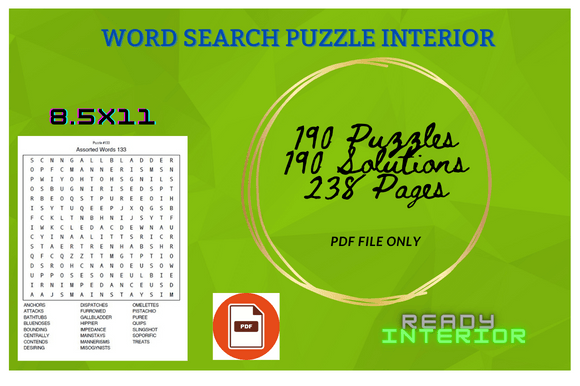
At its most basic, a KDP interior is the ready-to-print PDF file that constitutes all the pages inside your book, from the title page to the final solution grid. For puzzle books, this interior is the product's primary functionality. Unlike a novel where the value lies in prose, the value of a puzzle book resides entirely in the puzzles themselves, their presentation, and the user's interaction with them. A well-designed interior, such as one featuring 190 assorted puzzles across 238 pages, is engineered for clarity, enjoyment, and satisfaction.
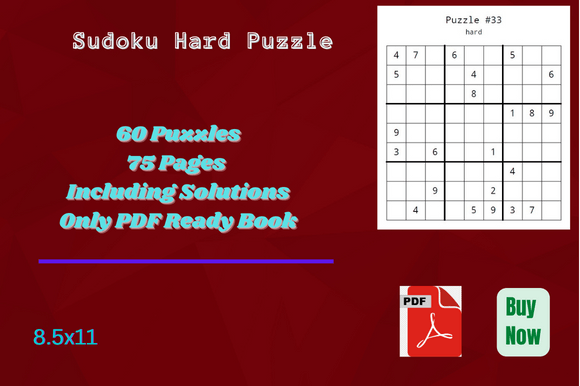
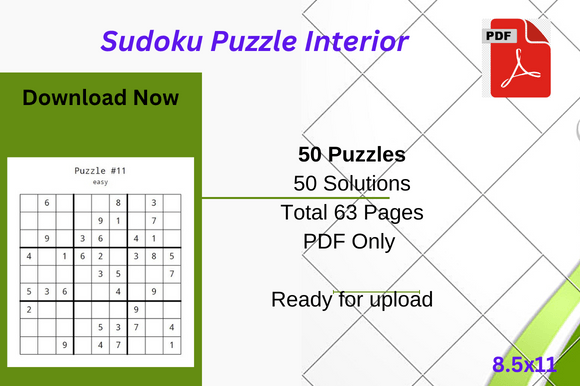
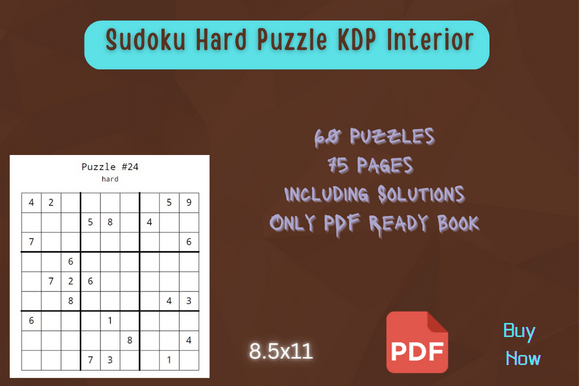
Consider the specifications: an 8.5″x11″ trim size, one puzzle per page, and solutions included. These are not arbitrary choices. The standard size offers a spacious canvas for puzzles, preventing clutter and allowing ample room for solving. The one-puzzle-per-page rule is a critical principle of user experience—it eliminates distraction, focuses the solver's attention, and creates a sense of progression as they turn each page. Including solutions, often at the back, provides a necessary closure and reference point, transforming the book from a mere activity into a self-contained learning or entertainment tool.
The Purpose and Significance: Why Professional Interiors Matter
The purpose of investing in a professionally generated KDP puzzle interior is multifaceted. Firstly, it serves the reader's cognitive experience. Puzzles, whether star mazes or word searches, challenge pattern recognition, vocabulary, and logical thinking. A clean, uncluttered page with clear fonts and well-defined boundaries reduces cognitive load, allowing the solver to dedicate their mental energy entirely to the puzzle. Secondly, it establishes product credibility. A book with a haphazard, cramped interior feels amateurish and may discourage purchases or lead to negative reviews. A polished, consistent interior signals quality, care, and respect for the customer.
In the modern context of digital self-publishing, this professionalism is directly linked to business success. Amazon's marketplace is competitive. A book with a superior interior stands out in "Look Inside" previews, meets customer expectations for physical print quality, and can command better positioning. It fits into the broader trend of consumers valuing well-designed physical products even in a digital age—the tactile pleasure of solving a puzzle on a high-quality page is part of the offering.
Building a KDP Puzzle Interior from the Ground Up
Creating a ready-to-upload interior involves several key stages, each contributing to the final product's usefulness.
- Content Generation & Assortment: This is the creative core. For a book boasting 190 assorted puzzles, variety is essential. This might mean mixing different puzzle types (like word searches of varying themes, star mazes of increasing difficulty) or ensuring within a single type, like word search, the word lists are diverse and engaging. The "assorted" nature prevents monotony and caters to a wider range of solver moods and skills.
- Layout & Pagination: The rule of one puzzle per page is paramount. Each puzzle should be centrally aligned with appropriate margins. Page numbers, often omitted in puzzle books to maintain focus, might be included subtly. The total count, like 238 pages, includes the puzzle pages, introductory material, solution sections, and possibly blank separator pages. This structure must be flawlessly consistent.
- Solution Integration: Solutions are typically compiled at the end. Their presentation must be just as clear as the puzzle pages, often replicating the puzzle grid with the answers highlighted or listed. This section turns the book into a self-verifying system, enhancing its value for solo use or educational settings.
- File Preparation: The final output is a PDF optimized for KDP's print specifications. This includes ensuring correct trim size, bleed settings (if any), and that all graphics and text are embedded at high resolution. The file is then "ready to upload," meaning the creator can plug it directly into the KDP paperback template without further adjustment.
A common misunderstanding is that puzzle book interiors are simple to create with basic word processors. While possible, this often leads to alignment issues, font inconsistencies, and poor print results. Professional creators use specialized design software or templates to ensure every element meets printing standards, which is why ready-made interiors are a popular product among KDP publishers—they offer a guaranteed, market-tested foundation.
The Practical Relevance: From Leisure to Learning
KDP puzzle books with excellent interiors find relevance in numerous facets of modern life.
- Leisure & Stress Relief: In a fast-paced world, puzzles offer a focused mental escape. A beautifully presented book enhances this restorative activity, making it a more appealing choice over digital alternatives.
- Education & Cognitive Maintenance: For children, word searches build vocabulary and spelling. For adults and seniors, mazes and puzzles maintain cognitive agility. Teachers and parents often use such books as supplemental material. The clear, one-per-page format is perfect for classroom or home use.
- Creativity & Niche Publishing: For the author/publisher, creating themed puzzle books (e.g., science-themed word searches, holiday mazes) allows for creative expression and tapping into niche markets. The interior is the vehicle for this creative content.
- Technology & Analog Balance: Interestingly, the rise of KDP is a technological platform enabling the distribution of highly analog, screen-free products. It represents a synergy between digital commerce and physical, hands-on activity.
Crafting for Success: SEO and Market Considerations
When publishing, understanding the informational search intent of potential customers is key. They might search for "word search puzzle book KDP interior," "ready to upload puzzle PDF," or "large print puzzle books." Your product description and the article surrounding it should naturally incorporate these semantic keywords, emphasizing the 190 puzzles, the assorted nature, the included solutions, and the professional print-ready quality. Following E-E-A-T (Experience, Expertise, Authoritativeness, Trustworthiness) principles, content should demonstrate an understanding of both puzzle creation and KDP's technical requirements, building trust with readers looking to buy or creators looking to learn.
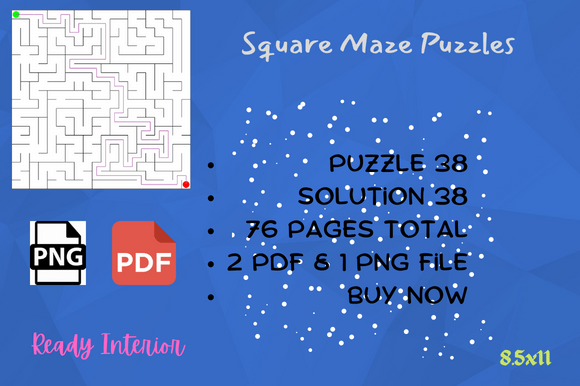
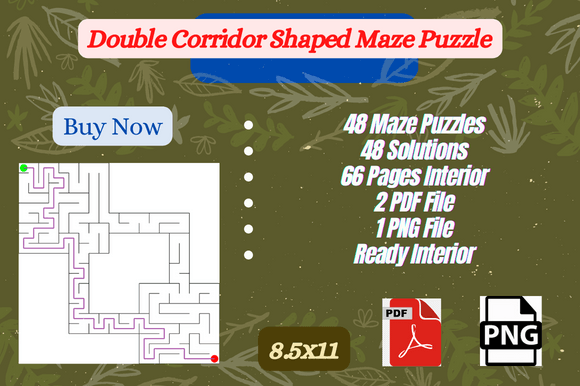
Examples are illustrative: Imagine a customer purchasing the "Star Mazes Puzzle Book." They receive a physically robust book. Opening it, they find each intricate maze presented alone on a crisp white page, inviting concentration. After solving, they can flip to the back to confirm their path. This seamless experience, from purchase to use, is the direct result of the interior design choices made during creation.
Building a Broader Understanding: The Puzzle Book as a Product Ecosystem
Ultimately, a KDP puzzle interior is not an isolated artifact. It is part of a product ecosystem that includes the cover design, the Amazon listing copy, the pricing strategy, and the customer service. The interior is the delivered promise. A book with 190 puzzles promises substantial engagement; the interior must fulfill that without feeling repetitive or poorly executed. It clarifies the assumption that "more puzzles" automatically means "better book"—quality of presentation and variety of content are equally important.
For the general reader or aspiring publisher, understanding this topic illuminates how thoughtful design translates abstract content (a list of words, a maze path) into a tangible, enjoyable, and marketable object. Whether you are a puzzle enthusiast seeking a superior activity book, or an entrepreneur exploring KDP publishing, the interior is the heartbeat of the puzzle book—the silent framework that makes the mental game not just possible, but pleasurable.
In embracing the principles of clear layout, user-focused design, and technical readiness, creators ensure their puzzle books serve their fundamental purpose: to challenge, to entertain, and to provide a satisfying escape into the focused world of problem-solving, one perfectly presented page at a time.